









If you love the fresh, woodsy smell of pine but not the harsh chemicals in many store-bought cleaners, there’s a lovely, old-fashioned fix. All you need is a handful of pine needles and a bottle of white vinegar, the one simple ingredient that does the rest. The needles give the vinegar a clean, forest-fresh scent and take the sharp edge off its smell, while the vinegar does the cleaning. It takes a couple of weeks to steep, but almost no effort, and the result is a spray that works on most surfaces around the house. Here’s how to make it.
What you’ll need
You only need a clean glass jar with a lid, a good handful of fresh pine needles, and plain white vinegar. A glass spray bottle is useful for storing the finished cleaner, ideally a dark one, since sunlight can weaken the vinegar over time. For a little extra freshness, you can add a few slices of lemon or orange peel or a cinnamon stick, but it works well without them. Cheap distilled white vinegar is perfect, so there’s no need to buy anything fancy.
Choose the right needles
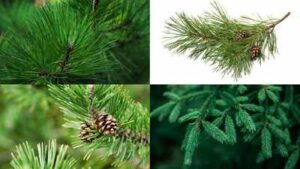
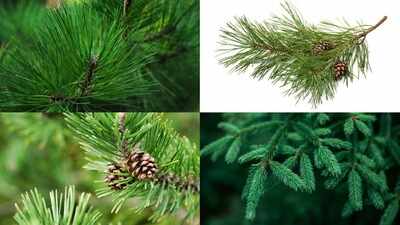
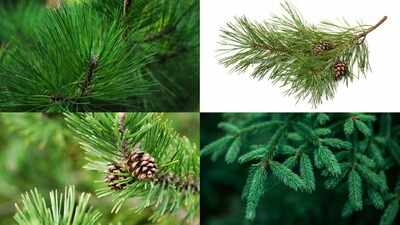
This step matters more than it sounds. Use needles from a true pine tree, ideally gathered fresh from a tree you can identify with confidence. Avoid yew, which is highly toxic, and many recipes also advise avoiding ponderosa pine. If you’re not completely sure what a tree is, don’t use it. Snip small branches, give them a quick rinse and shake off the water. Skip the needles from an old Christmas tree that has been sitting in a warm room for weeks, since they’re dry and have lost much of their scent.
Fill the jar and let it steep
Pack the pine needles loosely into the jar, then pour in white vinegar until the needles are completely covered. Make sure none stick out above the surface, since exposed needles can go mouldy. Seal the jar, give it a gentle shake, and keep it in a cool, dark spot such as a cupboard or pantry. Leave it for at least two weeks, and shake it every few days. If the vinegar smell is still strong, leave it for another week or two. A longer steep means a stronger pine scent.
Strain and dilute
When the vinegar smells distinctly of pine, strain out the needles through a fine sieve or cloth, and press them gently to squeeze out the liquid. Compost the needles. Pour the infused vinegar into a spray bottle and top it up with an equal amount of water, roughly half vinegar and half water, then give it a shake. Label the bottle clearly so nobody mistakes it for something else. Any extra infused vinegar can be kept in the sealed jar until you need more.
How to use it
Spray the cleaner on sealed countertops, stovetops, the fridge, microwave, laminate and vinyl floors, bathroom fittings and glass, then wipe with a damp cloth or sponge. It cuts through light grease and leaves a gentle pine fragrance behind. Don’t use it on natural stone like marble or granite, since vinegar can wear away the finish over time, and avoid unsealed wood. It also isn’t a disinfectant for serious germs. Test a small hidden spot first, and never mix it with bleach.
Disclaimer:
This article is intended for general informational and household purposes only. Only use needles from trees you can positively identify as pine, and avoid yew and other toxic conifers. Keep the infused vinegar and finished cleaner away from children and pets, and label the bottles clearly. Test the cleaner on a small hidden area first, avoid natural stone, unsealed wood and electronic screens, and never mix vinegar with bleach.