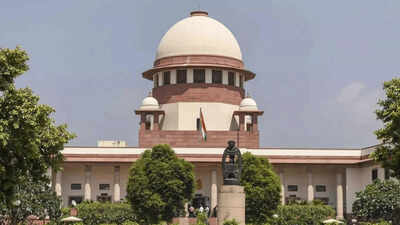



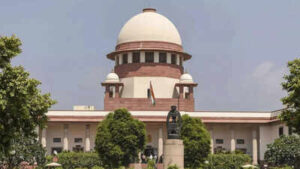


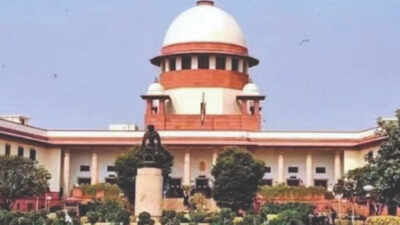
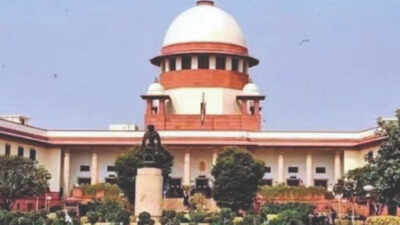
NEW DELHI: Supreme Court Tuesday agreed to examine the contours of right to privacy of people when they are part of a public protest as lawyers appearing for recent protesters in the capital claimed breach of privacy because of the deployment of CCTV cameras and facial recognition tools by Delhi Police.Appearing for a petitioner, political activist and advocate Prashant Bhushan told a bench of Chief Justice Surya Kant and Justices Joymalya Bagchi and V Mohana that deployment of facial recognition tools as well as CCTV cameras, and the use of data generated by them required scrutiny so that they were not put in the public domain or used for harassing young protesters.Solicitor-general Tushar Mehta said CCTV cameras were installed for the safety of protesters.
US Midterm Election Results 2026
He added that fears of anti-social and criminal elements mingling with protesters to cause damage to public property and resort to violence came true during CJP’s “illegal” July 20 march to Parliament call. “It was primarily to ensure the safety of women,” he said.Justice Bagchi said CCTV surveillance may not per se violate the right to privacy but if that data was fed into a machine for facial identification and tracing history of an individual, then it may amount to breach of privacy. “It has to be examined whether this action infracts privacy,” he added.Senior advocate Mahesh Jethmalani interjected and said the court was only determining the constitutional rights of protesters. What about the rights of innocent citizens whose daily lives and livelihoods got derailed by these protests, he asked and suggested that the court devise an SOP for protests to fasten liability on the organisers for loss and damage to public property and loss of livelihood.The SC said the Identification of Prisoners Act, replaced by the Criminal Procedure (Identification) Act, 2022, empowers the state to identify people by using iris data and those provisions need to be kept in mind. The SG said though the case did not involve prisoners, the law does empower govt to collect data for interests of the state.
Share your thoughts in the comments
Be respectful · TOI community guidelines
Justice Bagchi said, “When a person stands in a public place, what is his reasonable expectation?” The SG replied, “One cannot choose to protest in a public place and seek protection of privacy.”When Justice Bagchi said it was a competing right – right to privacy and legitimate state interest – Mehta said it was strange that protesters had no problem with scores of live TV channels broadcasting them or swarms of influencers making reels and uploading them on social media but had a problem with govt’s CCTVs.Mehta said no iris verification of protesters was ever done by police. The bench said police had said they had matched the IDs of people with NCRB database of criminals. “Does that amount to a legitimate state interest?” it asked. Mehta said after facial recognition, the person concerned with a criminal track record was investigated and called for inquiry.The bench issued a notice on Bhushan’s petition and tagged it with petitions questioning deployment of facial recognition tools .