









Ironing is one of those chores most of us would happily skip. You press one side of a shirt, flip it over, press again, and somehow the wrinkles keep coming back. But there is a simple trick that has been doing the rounds in homes and on social media: slip a sheet of aluminium foil under your ironing board cover. It costs next to nothing, takes a minute to set up, and many people swear it makes ironing quicker and smoother. While it is not a miracle fix, there is some basic science behind why it can help, and it may be worth trying if you iron often.
How the foil trick works
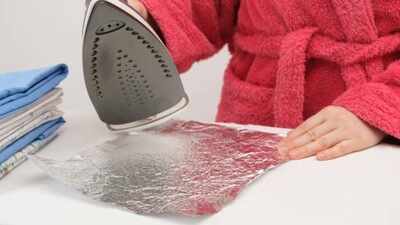
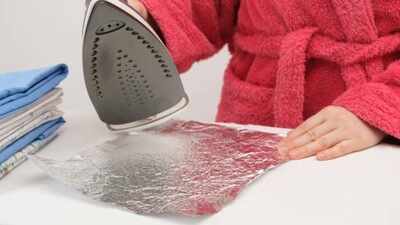
Aluminium foil is a good reflector of heat. When you press a hot iron on a garment, some of the heat passes through the fabric and the thin cover and is lost into the padding or the board below. With a layer of foil underneath, much of that heat bounces back up into the clothes. This means the fabric gets warmed from both sides at once, which can loosen stubborn creases faster. Think of it as giving your iron a little extra help, without turning up the temperature or pressing harder.
Faster ironing, fewer passes
The biggest reason people like this hack is time. Since heat reaches the garment from above and below, wrinkles often relax in just one or two passes instead of three or four. That can be a real relief when you have a pile of school uniforms, office shirts or a whole week’s clothes waiting. It may also be useful for thicker fabrics such as cotton, linen and denim, which tend to hold on to creases. Some people also find they do not need to flip the garment as often, which cuts down the effort further.
Better results on stubborn wrinkles
Deep-set creases, such as those on collars, cuffs, trouser folds and bed linen, can be hard to get out. The reflected heat, combined with steam from the iron, helps the fibres soften and settle flat more easily. The foil also gives a firm, even surface under the cloth, so you may notice a smoother, sharper finish than on a soft, worn-out board. For people who like crisp shirts and neat pleats, this small change can make a visible difference.
How to set it up properly
Start by taking off the ironing board cover. Lay a sheet of aluminium foil over the padding, shiny side up, and smooth it out so there are no big folds or gaps. Trim it to the shape of the board if needed, and tuck the edges neatly under. Then put the cover back on, pulling it snug so that the foil stays flat and does not shift as you iron. If the foil crinkles, the surface can feel bumpy and may leave marks, so take a minute to get it right.
Some things to keep in mind
Like any hack, this one has its limits. Foil can trap more heat under the cover, so be careful with delicate fabrics such as silk, satin, synthetics and anything with prints or embellishments, which can scorch or melt more easily. Always check the care label and use the right temperature setting. Foil can also tear or wear out with regular use, so replace it when it looks crumpled. If your board cover is already thin or heat-reflective, you may not notice much of an improvement.
Safer options to consider
If you do not want to fiddle with foil, you can buy a heat-reflective ironing board cover, which works on the same idea and stays in place better. A thick, well-padded board also helps in getting smoother results. Whichever option you pick, never leave a hot iron unattended, and keep the iron moving so it does not stay too long on one spot. Good habits matter just as much as any trick when it comes to protecting both your clothes and your home.
Disclaimer:
This article is for general informational purposes only and does not constitute professional or safety advice. Results may vary depending on the ironing board, fabric type and iron used. Always follow the manufacturer’s instructions for your iron and ironing board, check garment care labels before ironing, and use all electrical appliances with care.