









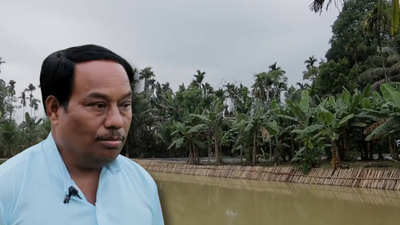
At 15, Tileswar Handique was working as a daily-wage labourer in Assam, earning Rs 6 a day to help support his family. Then, one afternoon in 1979, a stranger offered him Rs 24 for a bunch of bananas, twice the prevailing market price. The sale gave him something to think about on his way home. After six days of labour, he had earned Rs 36. One bunch of bananas had fetched Rs 24. Handique began wondering why he should continue working for daily wages when farming could offer a better return. The following year, he started a banana plantation. More than four decades later, he manages a diversified farm in Cholapathar village in Assam’s Charaideo district, growing fruits, vegetables and paddy while also raising livestock and running fisheries.As reported by The New Indian Express, Handique estimates his farm’s annual turnover at Rs 70 lakh to Rs 80 lakh, with profits of around Rs 15 lakh to Rs 20 lakh. Buyers come directly to his farm to collect produce, and he employs six workers throughout the year, with the number increasing to 15 when additional help is needed.A 2026 research report titled ‘The Baree: A Natural Farming System of Assam,’ published by Krishi Vigyan Kendra, Sivasagar, under Assam Agricultural University, documents another side of Handique’s work: his efforts to conserve traditional crops and demonstrate natural-farming techniques to other farmers.
A teenager who wanted to help his family
As reported by The New Indian Express, Handique spent his childhood in an 11-member household in Cholapathar. His father worked as a Grade IV railway employee, but the salary was not enough to meet the needs of the family. Handique began working as a daily wager without telling his family. He wanted to contribute to household expenses, even though his parents had not asked him to earn money. The financial strain affected even basic necessities.It was against this background that the sale of the bananas caught his attention. In late 1979, Handique had returned home from work for lunch when a stranger arrived with an unusual offer. The buyer was willing to pay Rs 24 for a bunch of bananas, double the market price. Handique accepted the offer. That evening, he returned home with Rs 36, his earnings from six days of labour. He began to see farming as a way to earn more than he could through daily-wage work.
From bananas to a diversified farm
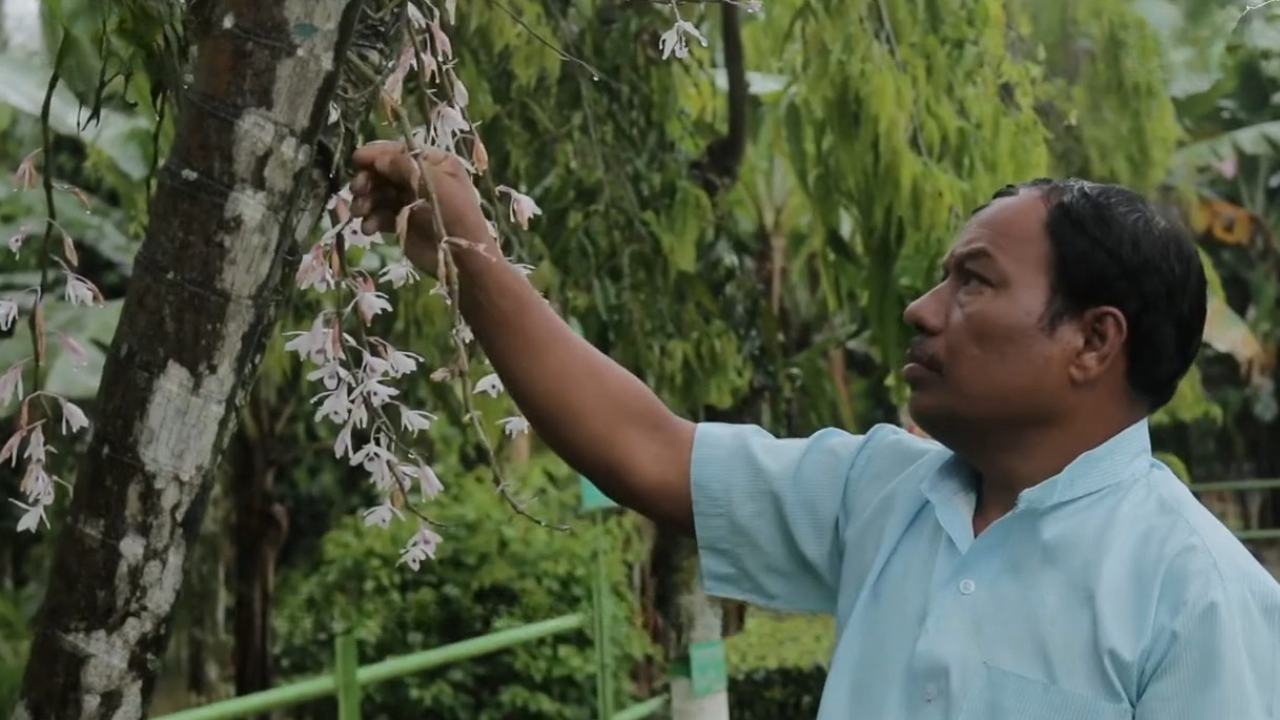
Photo credit: assam.mygov.in
As reported by The New Indian Express, in 1980, Handique started a banana plantation. He continued concentrating on bananas for the next two decades, gradually building his experience and saving money. By 2000, he had saved enough to expand into other crops. He began cultivating vegetables, mustard and betel nuts, and planted different varieties of fruit trees. He also moved beyond crop cultivation. He started fish farming, established a poultry farm and began rearing ducks, goats and cows. Over time, the farm developed into a diversified agricultural operation rather than a plantation dependent on one crop.As per the ResearchGate report, Handique is a natural-farming practitioner. He cultivates four types of Khasi mandarin and grows traditional rice varieties on five acres. His farmstead also preserves 10 varieties of turmeric and eight varieties of ginger, along with traditional medicinal plants that the report says are at risk of disappearing.
How natural farming shapes his methods
As per the ResearchGate report, Handique as a practitioner of banana-based natural farming who maintains a traditional Assamese homestead garden, known as a ‘Baree.’ The Baree is a mixed garden around the home that can combine fruit trees, vegetables, herbs, livestock and other activities. According to the report, Handique practises zero tillage, mulching and composting. He uses fermented cow dung mixed with groundnut slurry for manuring, along with botanical preparations such as tobacco-based solutions and neem-oil emulsions for pest management.
How his farm earns up to Rs 80 lakh a year
Handique’s farm generates income from several activities, including bananas, vegetables, fruit, mustard, betel nuts, fish, poultry, milk and other livestock. He estimates the farm’s annual turnover at Rs 70 lakh to Rs 80 lakh and annual profit at approximately Rs 15 lakh to Rs 20 lakh, as reported by The New Indian Express.
Sharing farming knowledge with others
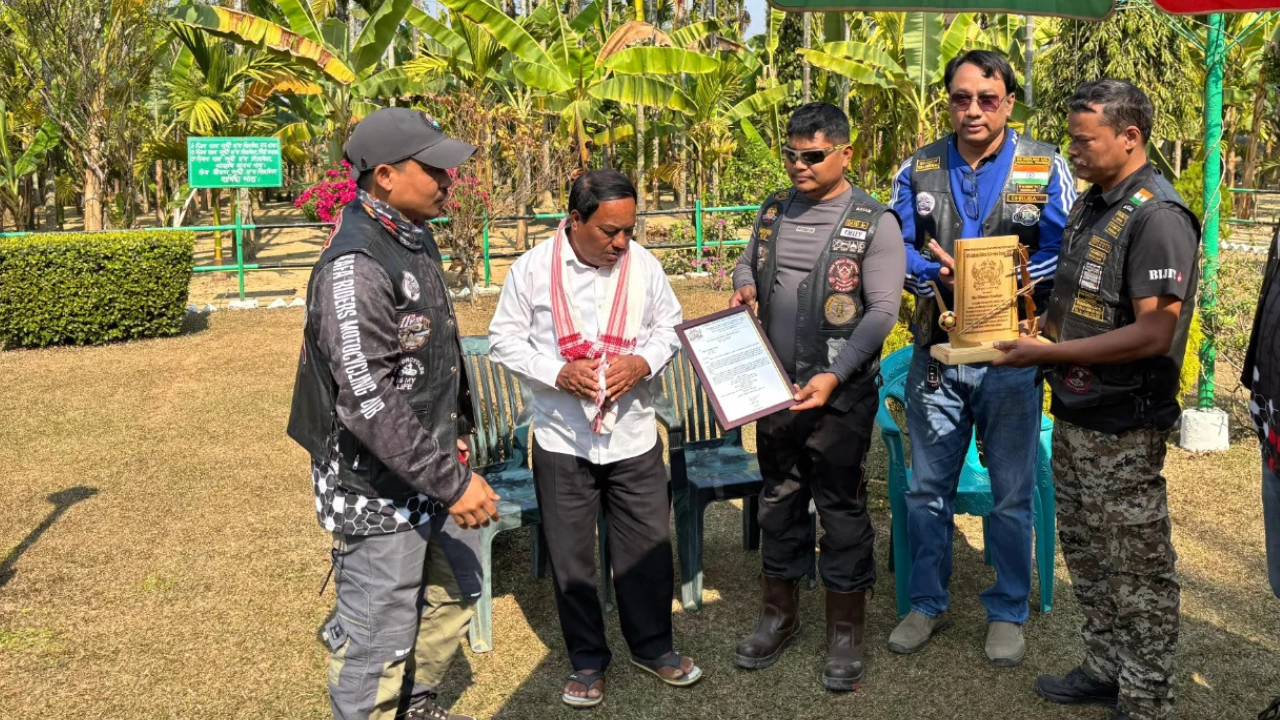
Image courtesy: Instagram/@undergrounds_ix_sukafariders
Handique also uses his experience to help other farmers learn natural-farming practices. As per the ResearchGate report, he conducts demonstrations on preparing inputs used in natural-farming-based Baree systems and raises awareness through social media. He participates in agricultural exhibitions and fairs and conducts awareness and training programmes for visitors, including researchers, school and college students, and farmers interested in his methods.