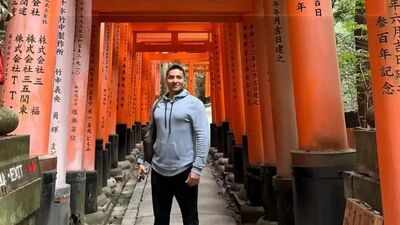


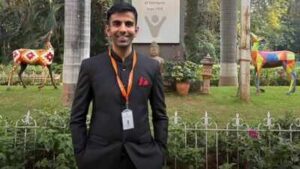
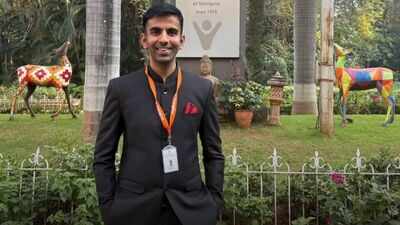
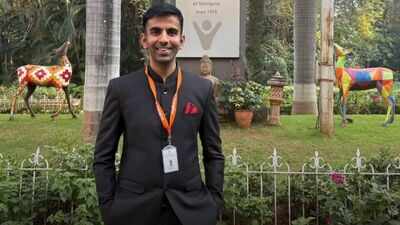
A comfortable corporate salary, a technology project that helped connect Covid-19 patients with plasma donors, months of hospitalisation and a demanding return to competitive exams: Tushar Chaudhary’s journey has moved through several unexpected turns. After leaving a ₹25 lakh-per-annum job at Intel to pursue public service, he secured All India Rank 4 in the UPSC Engineering Services Examination (ESE) 2025 and moved towards a career in the Indian Railway Management Service (IRMS). His story is not only about securing a top rank. It is also about changing direction, finding purpose in engineering and continuing to prepare despite professional responsibilities and serious health challenges.
Leaving Intel to find a larger purpose
Chaudhary grew up across Meerut, Bijnor, Muzaffarnagar and Ghaziabad. Moving between different places exposed him to varied people and environments, helping him develop the ability to adapt. Although a job at Intel offered financial stability, he wanted a career that combined his engineering background with leadership and public impact. Public service appeared to offer that combination without requiring him to leave engineering behind.His first experience of UPSC preparation taught him an important lesson: studying more material does not necessarily mean preparing better. He began to see previous years’ question papers as a guide to what deserved attention, as per the reports by Indian Masterminds. His advice to aspirants is to study previous year questions before turning to coaching material or other resources. This, he believes, can help candidates understand the examination’s demands and make their preparation more focused.
COPAL-19 : When engineering met a public need
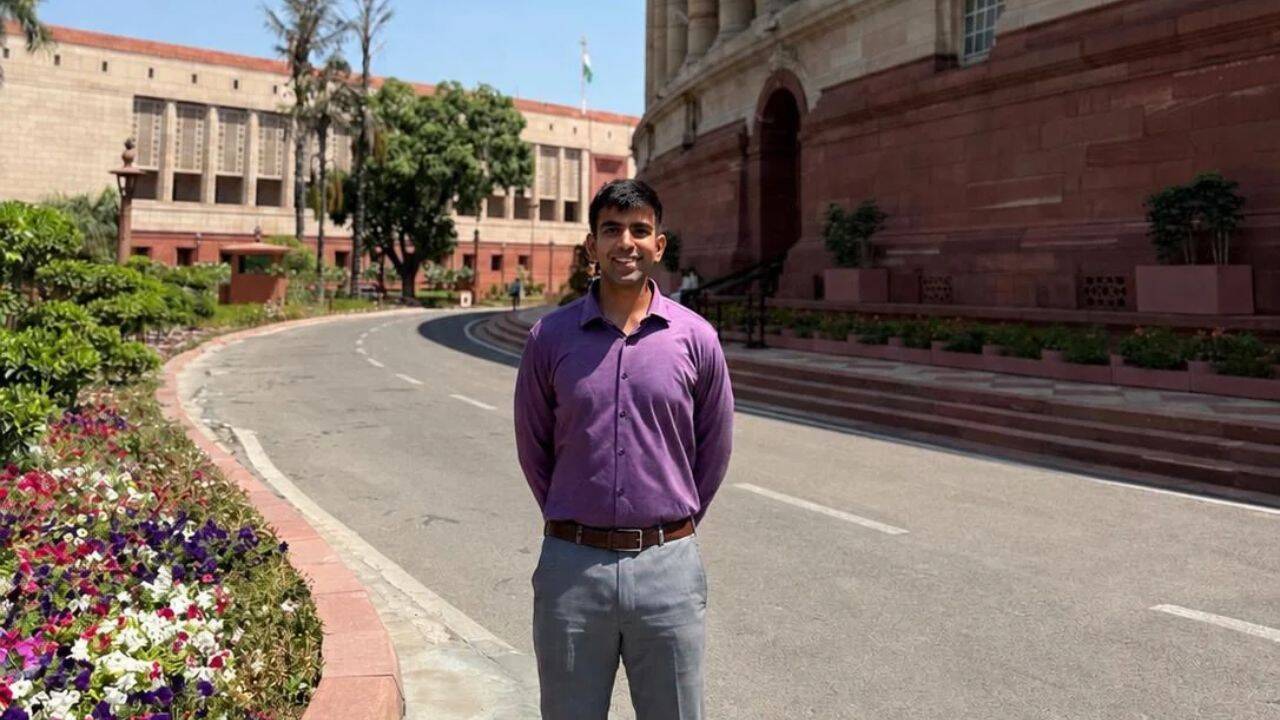
During the Covid-19 pandemic, Chaudhary became part of a team that developed COPAL-19, a technology platform designed to connect patients who needed plasma with potential donors. A July 2020 report by ‘Hindustan Times’ identified Chaudhary as an IIT Delhi student who worked on the initiative alongside fellow students Kaashika Prajaapat and Tanay Aggarwal and Dr Abhinav Singh Verma from AIIMS. The application helped track Covid-19 patients and potential plasma donors, aiming to make it easier to identify suitable matches.The project demonstrated how engineering skills could be applied to an urgent public health problem. Rather than remaining an idea, the team developed a working prototype in a short period, with the application initially operating internally at AIIMS. During the same period, Chaudhary secured AIR 32 in ESE 2021 and AIR 9 in GATE, according to his later interview. He subsequently joined the Ministry of Defence, gaining experience in government service and working alongside military personnel and civilian professionals.
Months at AIIMS and the lessons of starting again
One of the most difficult chapters in Chaudhary’s life came when he spent nearly three months hospitalised at AIIMS. With his health taking priority, his preparation had to become flexible. On some days, he could manage only a few pages of reading. Instead of measuring progress against a strict timetable, he focused on doing what he could whenever his condition allowed. He summed up the approach in three words: “Continuity → Progress → Confidence!” The experience also changed his perspective on time and everyday life. Being confined to a hospital bed made him reflect on things that are easy to overlook when constantly chasing professional and academic goals.After his recovery, running and participating in half marathons became important parts of his routine. He found that physical activity helped him manage stress, improve his mood and maintain energy during preparation. Chaudhary believes aspirants should not automatically treat exercise as a distraction from studying. In his experience, maintaining physical fitness can support concentration and productivity, particularly during a long and demanding examination journey.
Returning to UPSC while holding a job
The 2024 IRMS recruitment notification offered Chaudhary another opportunity to combine technical expertise with public service. Since he was already working as an officer, preparing for the examination meant fitting study around professional commitments. He estimates that he studied for around seven to eight hours on most days, dividing the time between mornings, breaks during the day and evenings. Rather than trying to follow a perfect timetable, he took the process one week at a time. When the UPSC ESE 2025 result arrived, he was playing football with friends. After hearing that the results had been released, he checked his rank and initially struggled to process it. He checked again and confirmed that he had secured AIR 4.For Chaudhary, the result brought together years of changing plans, professional experience, health challenges and renewed effort. IRMS appealed to him because it offered a way to combine railway engineering with management, infrastructure development and leadership. His advice to other aspirants is to make mistakes during practice rather than wait until examination day. Mock tests, previous year papers and repeated revision can help candidates identify weaknesses and improve before the final test. Chaudhary’s journey shows that preparation does not always follow a straight line. A career can change direction, circumstances can interrupt plans and progress can slow down. What matters, in his experience, is the ability to restart, learn from setbacks and continue working towards a clearly defined purpose.